Choosing the Right Natural Latex Mattress: Materials, Benefits, and Care
A practical guide to selecting a natural latex mattress, covering material types, durability, and how to assess firmness for different sleep styles. Learn maintenance tips to extend mattress life and preserve comfort.
By design, a mattress is more than a surface to rest on. It is a dynamic interface between biomechanics, temperature regulation, and sleep health. In this piece, we explore natural latex—an increasingly prominent choice in bedding—as well as the practical considerations that help consumers discern durability, comfort, and long-term value.
Natural latex sits at the intersection of comfort and resilience. Extracted from rubber trees, processed via Dunlop or Talalay methods, latex offers distinct textures, response, and temperature dynamics. The choice between Dunlop and Talalay is not merely a manufacturing footnote; it shapes the way a mattress supports your body, how it responds to movement, and how it ages over time. As with any sleep surface, your sleeping style, weight distribution, and preferred firmness will determine which latex construction aligns with your goals for restorative slumber.
Understanding natural latex: Dunlop vs. Talalay
Dunlop latex is a denser, more straightforward process. The material tends to have a uniform feel with a slightly firmer overall baseline, making it a popular choice for firmer support in many mattress constructions. Talalay latex, in contrast, is produced with a vivacious, airy cell structure that often yields a more consistent, buoyant response. In practice, Dunlop can feel more supportive at the core, while Talalay can deliver a lighter, springier surface that some sleepers perceive as more breathable.
The distinction matters because it informs how you experience pressure relief, spinal alignment, and movement. Those who prefer a more supportive feel with lasting density may gravitate toward Dunlop-based latex cores, while sleepers who chase a bit more “give” and a cloud-like surface may prefer Talalay. Some manufacturers blend both processes to achieve a hybrid sensation that balances resilience and comfort. When evaluating options, request a sample or test sleep in a certified showroom to gauge how the surface responds to your weight and sleeping position.
Material considerations: off-gassing, sustainability, and durability
Natural latex is often marketed as a more sustainable option, particularly when sourced from responsibly managed rubber plantations and processed with low-emission methods. Look for certifications such as GOLS (Global Organic Latex Standard) or other third-party verifications that attest to organic content, low volatile organic compounds (VOCs), and ethical manufacturing practices. Beyond certifications, inquire about the supply chain, the origin of the raw latex, and whether wool, cotton, or fabric coverings are produced with natural or recycled materials.
Durability hinges on density, inflation control, and the integrity of the core over time. A high-density natural latex core is less prone to permanent indentation compared with some synthetic foams. Nevertheless, latex can develop a perceptible “sag” in high-pressure zones if the zoning is not properly designed or if the mattress is not rotated. For households with different body weights sharing a bed, zoned or multi-density latex constructions can offer individualized support zones that adapt to body contours without compromising overall stability.
Firmness, sleeping position, and latex: an alignment guide
Choosing the right firmness is a core step in optimizing sleep quality. Latex mattresses are frequently labeled as soft, medium, or firm, but the perception of firmness can vary due to the presence of other layers, such as a quilted cover or a comfort layer. The sleeper’s position—back, side, stomach, or a combination—drives how the surface engages the spine and joints.
- Back sleepers: Often benefit from a medium to medium-firm latex that supports the lumbar region while preserving natural spinal curves.
- Side sleepers: Tend to prefer slightly softer surfaces that cushion shoulders and hips, reducing pressure points without sacrificing alignment.
- Stomach sleepers: Typically require firmer surfaces to prevent excessive sagging and to keep the pelvis from bowing downward, which could strain the lower back.
If you share your bed with a partner, consider motion isolation properties of latex and the potential need for zones that accommodate different weights or positions without transferring motion across the bed. A well-designed latex mattress can minimize disturbance and support comfortable transitions between positions through the night.
Care, maintenance, and longevity
Proper care supports the longevity of a natural latex mattress. Routine practices include rotating the mattress 180 degrees every few months for even wear and avoiding sharp objects or heavy, concentrated loads that could compress the foam structure over time. Unlike some synthetic foams, natural latex demonstrates resilience and a degree of rebound, but it benefits from protection against moisture and humidity, which can affect cover materials and indirectly influence the core through the cover’s permeability.
Use a breathable, moisture-wicking protector to shield the surface from spills and body oils. While latex resists mold and dust mites due to its elastic cellular structure, environmental conditions matter. Maintain a sleeping environment that stays within comfortable humidity and temperature ranges. If the cover is washable, follow the manufacturer’s instructions for care to preserve the cover’s performance and the interior latex core.
Durability expectations and return policies
Natural latex mattresses generally offer a long lifespan, especially when paired with robust foundations and appropriate toppers. Manufacturers often provide warranties that reflect the expected resilience of the latex core and the overall mattress construction. When evaluating options, review both the warranty coverage and the terms related to indentations (for example, a specified depth that constitutes a defect). Consider trial periods that allow you to test the mattress in your home, which can be a practical gauge of whether the surface suits your sleep style and comfort preferences.
Careful buyer’s checklist: from material to motion
To simplify decision-making, here is a concise checklist for selecting a natural latex mattress:
- Identify your preferred feel: Dunlop for firmer, Talalay for lighter buoyancy, or a blend for a customized response.
- Check density and ILD (Indentation Load Deflection) ratings to anticipate support and pressure relief.
- Evaluate the cover and comfort layers: ensure they are breathable and compatible with your climate.
- Confirm certification and origin: look for organic content and responsible manufacturing practices.
- Assess warranty, returns, and trial periods: ensure you have a safety net if the mattress fails to meet expectations.
- Plan for rotation and protection: invest in a protector and schedule regular rotation to distribute wear evenly.
What to know about maintenance and longevity in practice
A natural latex mattress is not a one-size-fits-all solution. Its long-term performance depends on the core’s density, the cover’s durability, and how well the surrounding foundation supports the bed system. For households that maintain an optimal sleep climate, latex can retain loft and resilience for many years. However, neglecting basic care—such as excessive moisture exposure or abrupt, heavy loading—can hasten wear. As with any premium sleep product, the best results come from informed use and consistent upkeep.
Bottom line: natural latex as a thoughtful, enduring choice
Natural latex mattresses offer a compelling blend of comfort, support, and durability. The choice between Dunlop and Talalay—along with considerations of density, core configuration, and protective coverings—shapes the sleeping experience. For sleepers who value a surface that balances body contour with resilient support, latex holds particular appeal. With responsible sourcing, transparent design, and a focus on durable comfort, natural latex can be a cornerstone of a sleep environment that supports health, recovery, and daily performance.
References and further reading
Readers seeking deeper knowledge may consult independent sleep science resources, university literature on sleep and health, and manufacturer white papers that discuss material performance, certifications, and testing methodologies. Reliable sources and peer-reviewed studies provide a foundation for evidence-based decisions in mattress selection and sleep wellness.
Note: This article references general guidance on natural latex materials and mattress design. Always verify product specifications with manufacturers and retailers, as formulations and certifications may evolve over time.
Related products on this site
The following product is featured in our catalog and aligns with natural latex and high-quality construction. If you’re considering upgrading your sleep surface, review the specifics below to determine fit and compatibility with your bed framework.
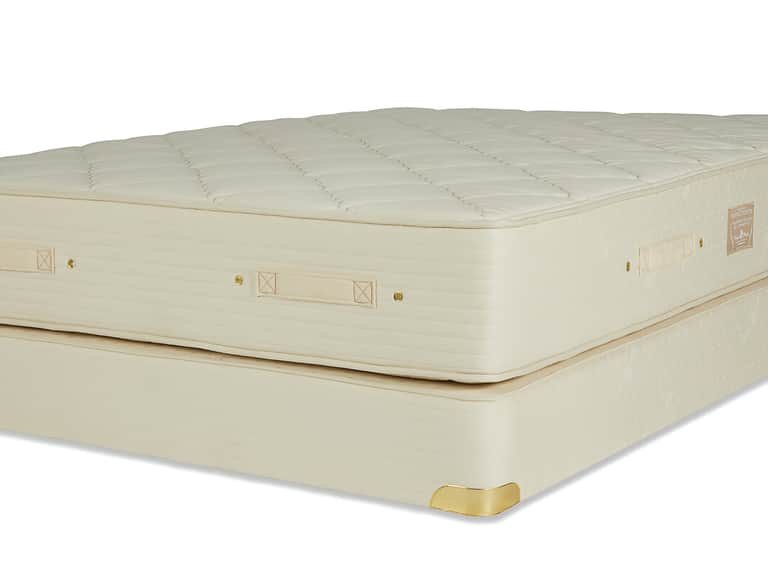
Luxury natural latex with premium coverings, designed for enduring comfort.
Brand: Royal-Pedic
Core: All-natural Dunlop latex
Foundation: Box spring with flexible suspension
Price: $5,974.00
Link: View product
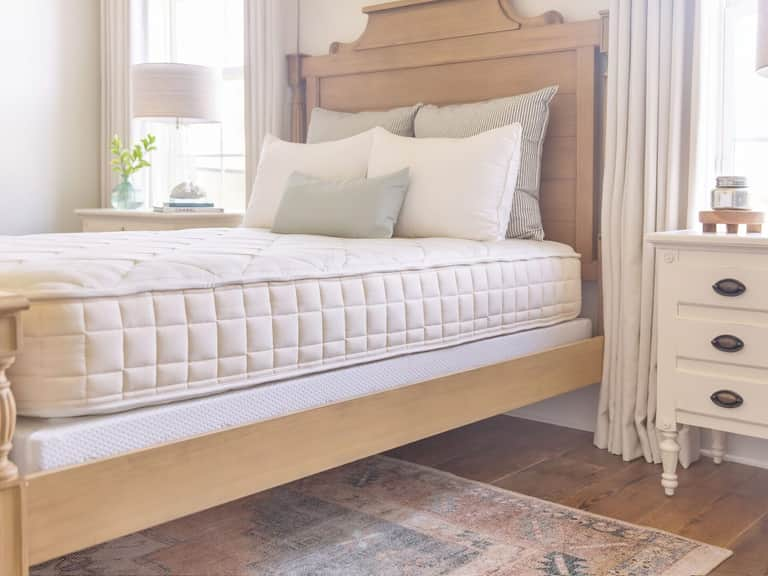
Certified organic materials with a careful balance of comfort and support.
Brand: Naturepedic
Materials: Organic cotton, organic wool, and encased coils
Price: $1,499.00
Link: View product
This article is part of a broader coverage on sleep health and bedding. For further guidance, explore sections on bedding materials, care guides, and responsible purchasing practices within our knowledge hub.
About the site and methodology
Our approach emphasizes clarity, evidence-based information, and transparency about sourcing and product standards. We do not engage in sponsored content or paid reviews that might compromise trust. When a product is discussed, we reference its official link to ensure readers can verify specifications and commitments directly from the brand or retailer.